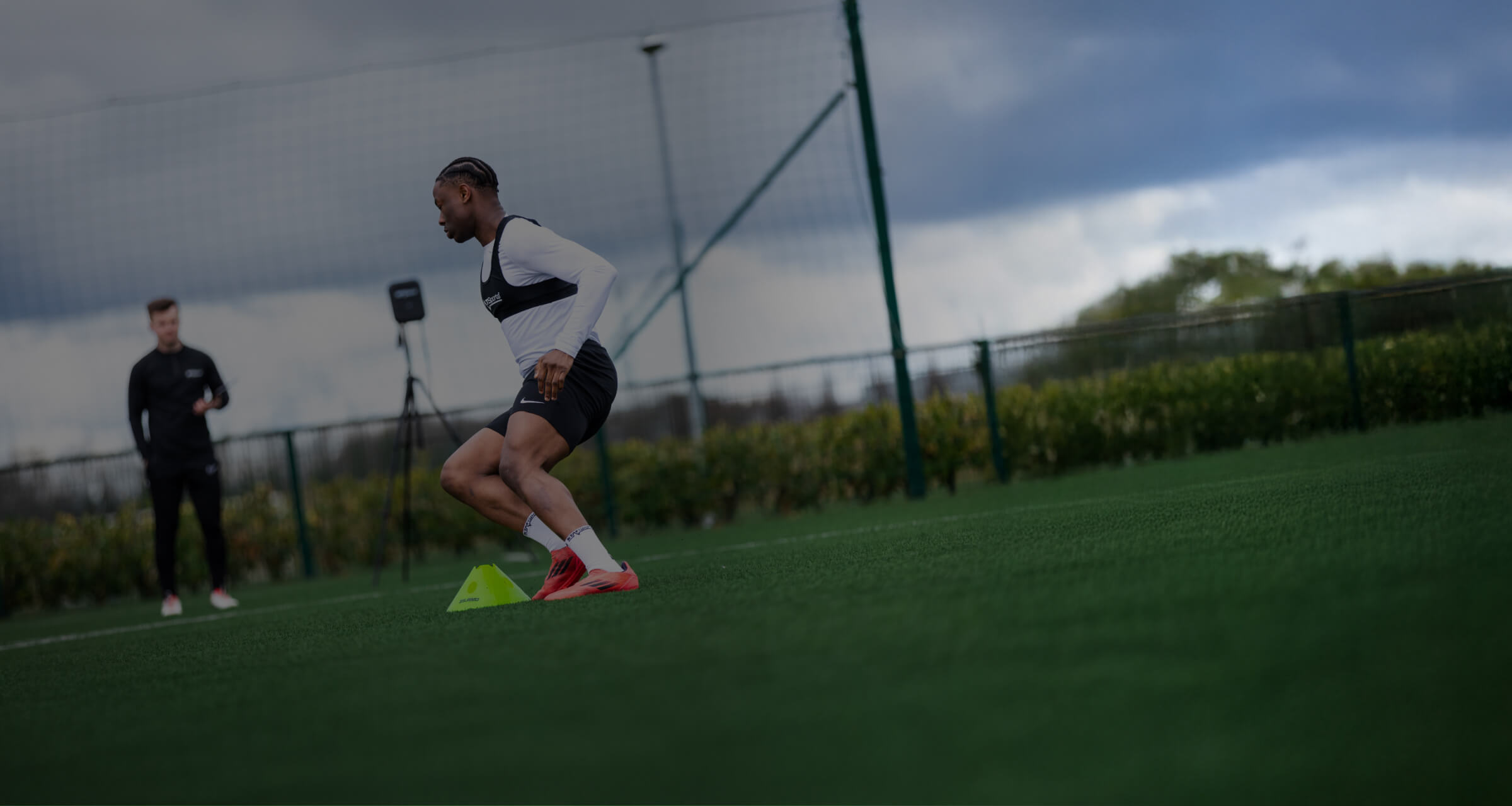
England and Scotland are among 12 nations using STATSports technology throughout the 2026 FIFA World Cup, with England wearing live GPS technology in-game at a major tournament for the first time.
With the tournament spanning three countries, multiple climate zones and a range of environmental demands, practitioners are tasked with managing player readiness across one of the most complex World Cup landscapes to date.
Live GPS data provides performance staff with immediate visibility of training and match demands, supporting decision-making around load management, recovery strategies and player availability throughout the tournament.
This summer’s World Cup presents a unique challenge. Teams may be required to move from the 2,200m altitude of Mexico City to climate controlled indoor venues in Atlanta or Dallas, before competing in the heat and humidity of cities such as Miami or Monterrey just a few days later.

Add in long haul travel, time zone changes and condensed turnarounds between fixtures, and the demands extend far beyond what happens on the pitch.
England and Scotland are joined by Belgium, Bosnia and Herzegovina, Croatia, Curaçao, Ecuador, Ghana, Jordan, Portugal, Qatar and Saudi Arabia in using STATSports technology at the tournament – a quarter of the 48 nations participating.

England began their campaign with a 4-2 win over Croatia in Dallas. While many host cities are expected to experience challenging environmental conditions throughout the tournament, AT&T Stadium’s climate controlled environment provided more consistent conditions for the opening fixture.
As England wear the pods for the first time in-game at a tournament, it’s an indication of how monitoring has taken on a greater importance in this World Cup.

As the tournament progresses, performance teams will continue balancing the demands of competition, travel and recovery, using objective data to help inform decisions in an environment where small margins can have a significant impact on performance.
Share article